

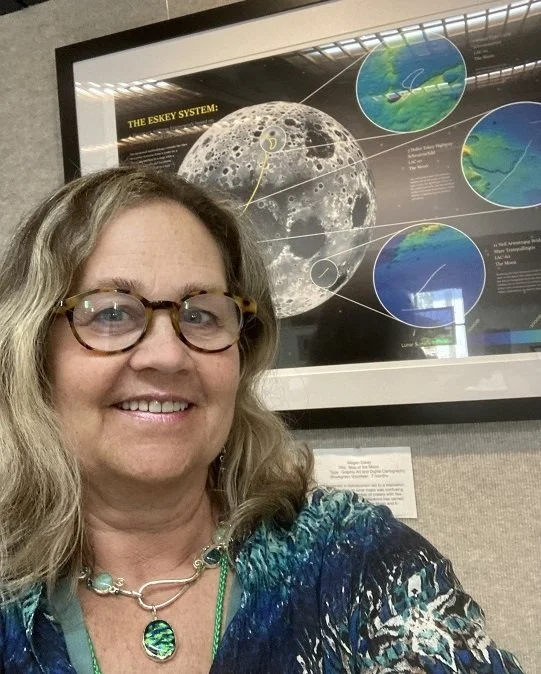
Meet the Founder
Megan Eskey
We're not here to follow trends—we're here to build something timeless. With a blend of creativity, strategy, and heart, we help planetary cartography come to life.
We have defined a syntax for planetary addresses and a lexicon for the first roads in space. We are constructing a language for space roadbotics, in our collective quest to become a multiplanetary species.
The space roadbotics end game won’t be played in boardrooms, but rather in space agencies around the world. The next space race may literally be that: a race along the surface of the Moon.
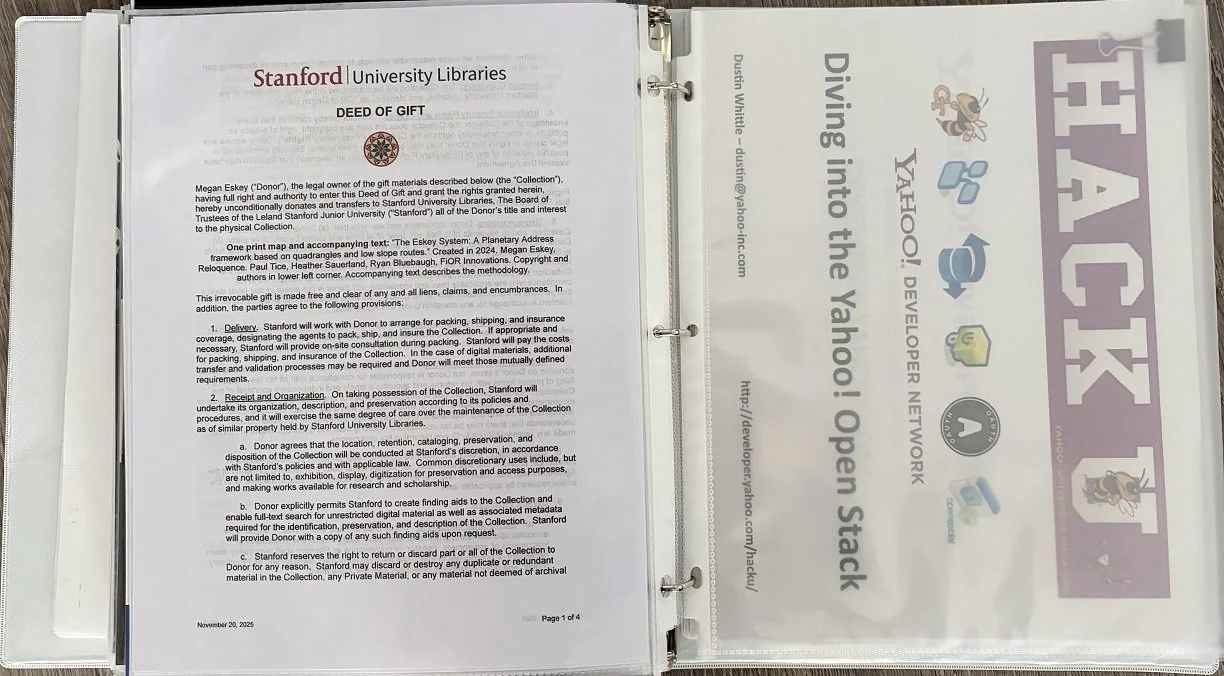
Finger Pointing to the Moon
Although imitation is the sincerest form of flattery, I think the highest form of human intelligence is best represented by those who can do what has never been done before: inventors, astronauts, aviators, innovators, artists, musicians - anyone who is breaking the mold in significant and disruptive ways. It’s too easy to imitate what others have done; it’s a lot harder to find something that hasn’t been done before and then beat everyone else to the finish line.
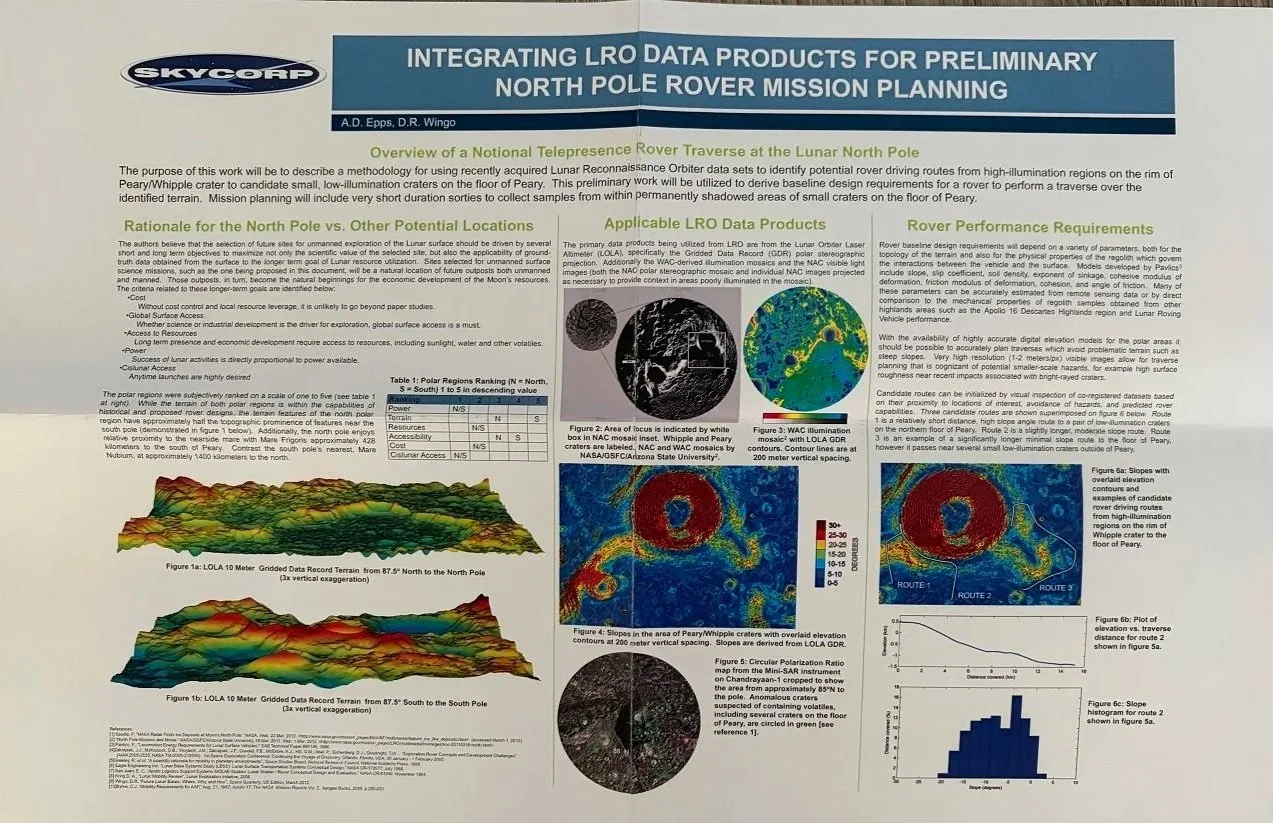
Historical “Firsts” in Space: Precedence and Chronology
Our memorabilia gallery serves multiple purposes. It provides historical context for our maps, in terms of chronology as well as precedence. It also provides a reference for people who don’t know much about space exploration, but want to get involved. The space pioneers I have highlighted are good candidates for names of additional planetary roads.
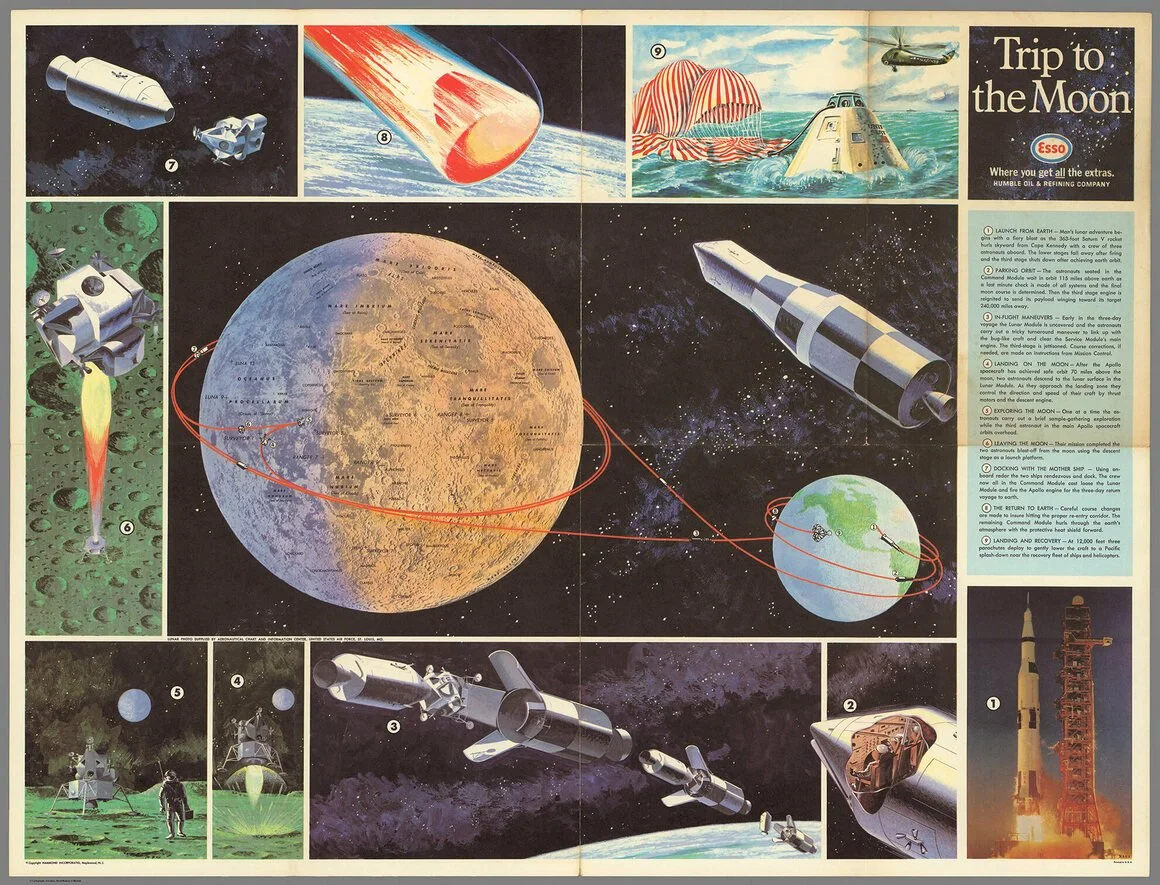
The Space Race
By the time I joined NASA in 1983, the US had launched the shuttle program, with astronauts orbiting Earth and later visiting the International Space Station. The space race was over, and global cooperation was the new trend. With the end of Apollo came the end of the frenzied excitement that glued the world to television screens in every country. I joined NASA two weeks before Sally Ride’s historic flight, STS-7, which ushered in a new climate of gender equality to the agency.