

Meet the Founder
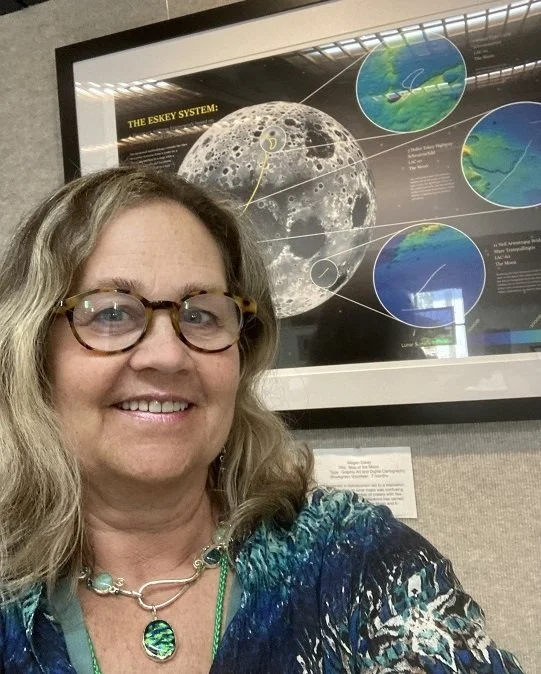
Megan Eskey
We're not here to follow trends—we're here to build something timeless. With a blend of creativity, strategy, and heart, we help planetary cartography come to life.
We have defined a syntax for planetary addresses and a lexicon for the first roads in space. We are constructing a language for space roadbotics, in our collective quest to become a multiplanetary species.
The space roadbotics end game won’t be played in boardrooms, but rather in space agencies around the world. The next space race may literally be that: a race along the surface of the Moon.
ISDC 2024 Video Clips
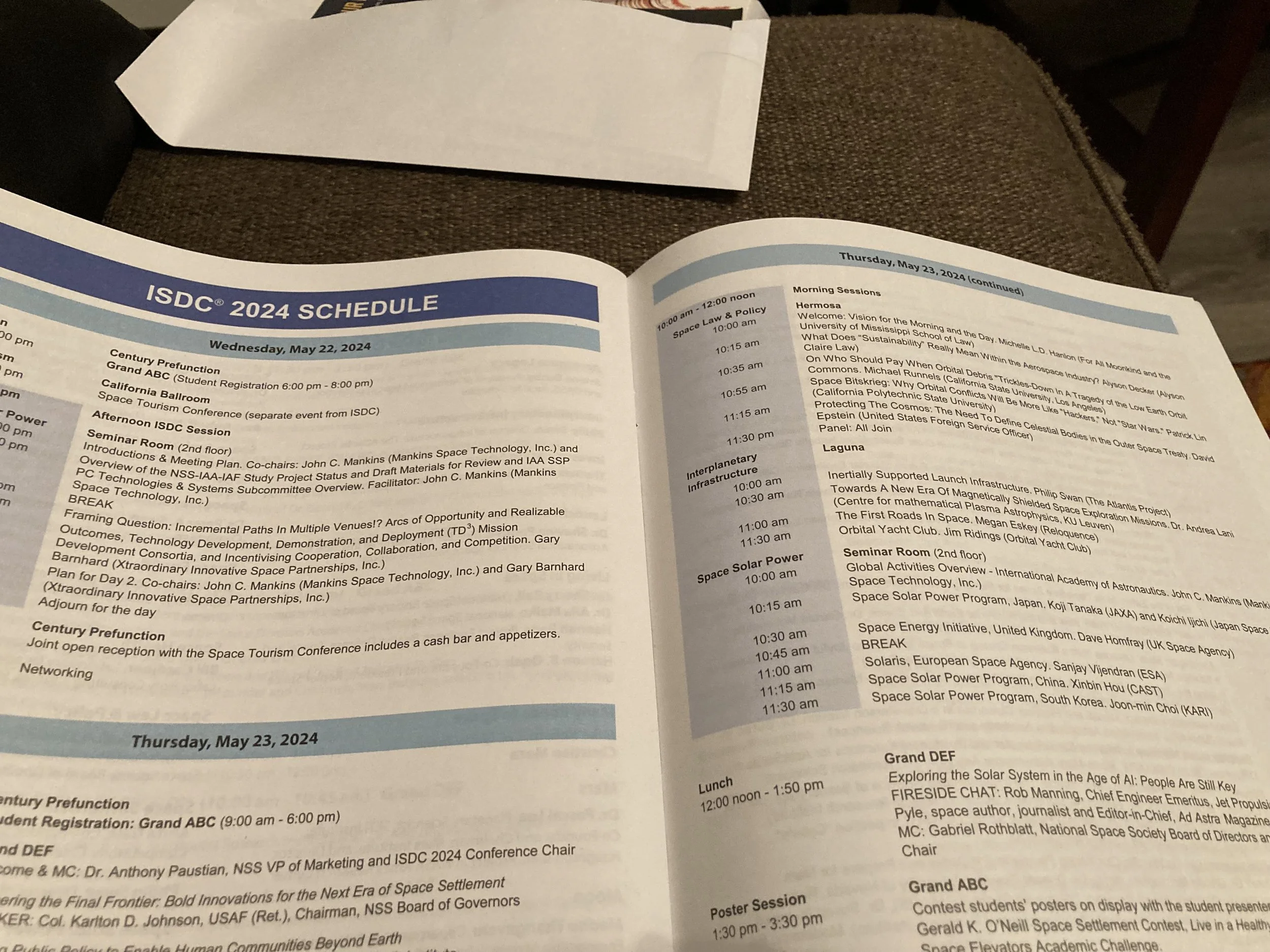
I'm extremely happy with both presentations at ISDC 2024, and thrilled to have the recorded versions to post on YouTube, to document this momentous occasion in space history. I was consistently surprised to discover, and then validate, that no one beat us to it. It seems so obvious and simple, and I still can't understand how it could possibly be true. As far back as the invention of the telescope in the early 1600s, the Jesuit astronomers could have made some primitive maps showing routes between the lunar landforms.
The Eskey System
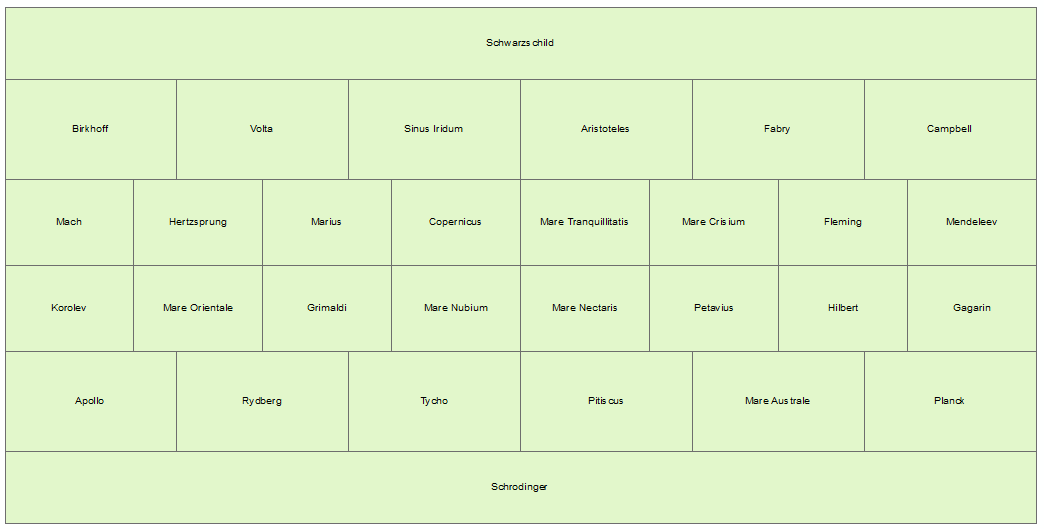
Quadrangles define regions on planetary bodies, but only a small subset have been named. The name is essential for my framework in that it defines the equivalent of a “city” or a “state.” The numerical astronomical charts are the equivalent of a “zip code.” A planetary address is a numerical identifier + a named planetary road + a named quadrangle + a numerical astronomical chart + the planetary body.
Naming the Planetary Roads
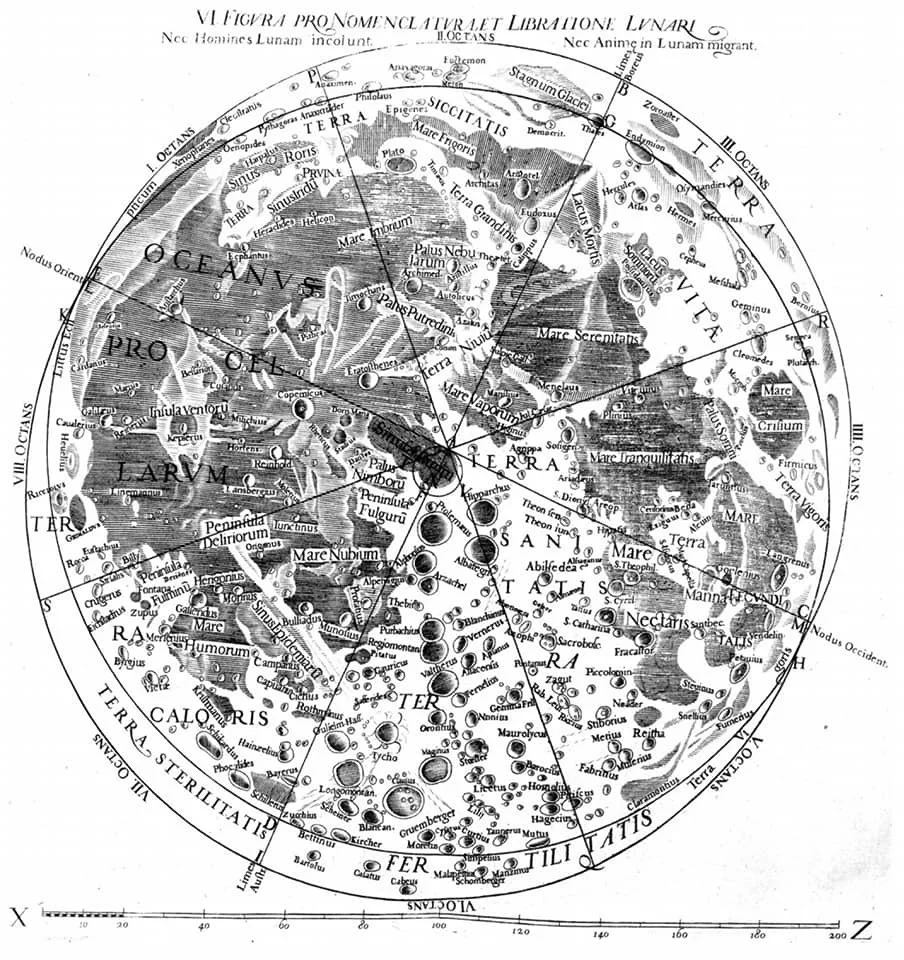
In the June 2023 Astrogator, I contributed an article that discussed the software options for creating a digital map of the Moon and Mars. I mentioned a system of planetary addresses based on low slope routes and quadrangles. One additional consideration is the creation of nomenclature guidelines to help inform the names of the newly charted planetary roads. We have a historical precedent in the creation of the first lunar map with named features by Giovanni Battista Riccioli and Francesco Maria Grimaldi in 1651, about 50 years after the invention of the telescope.